Case Study: Community-Driven Localization at Scale - How Climate Fresk Manages 45+ Languages with Volunteer Translators
·
...

Barus Urbanova
Customer Success Manager
Climate Fresk manages translations in more than 45 languages using a community-driven localization workflow powered by volunteer translators. Using Tolgee’s API-first localization platform, the organization automated multilingual PDF generation for its climate education card game, enabling workshops for 2 million+ participants worldwide.
How a Climate Workshop Became a Global Movement
When a climate workshop works, something interesting happens: people don’t just learn, they want to bring it home.
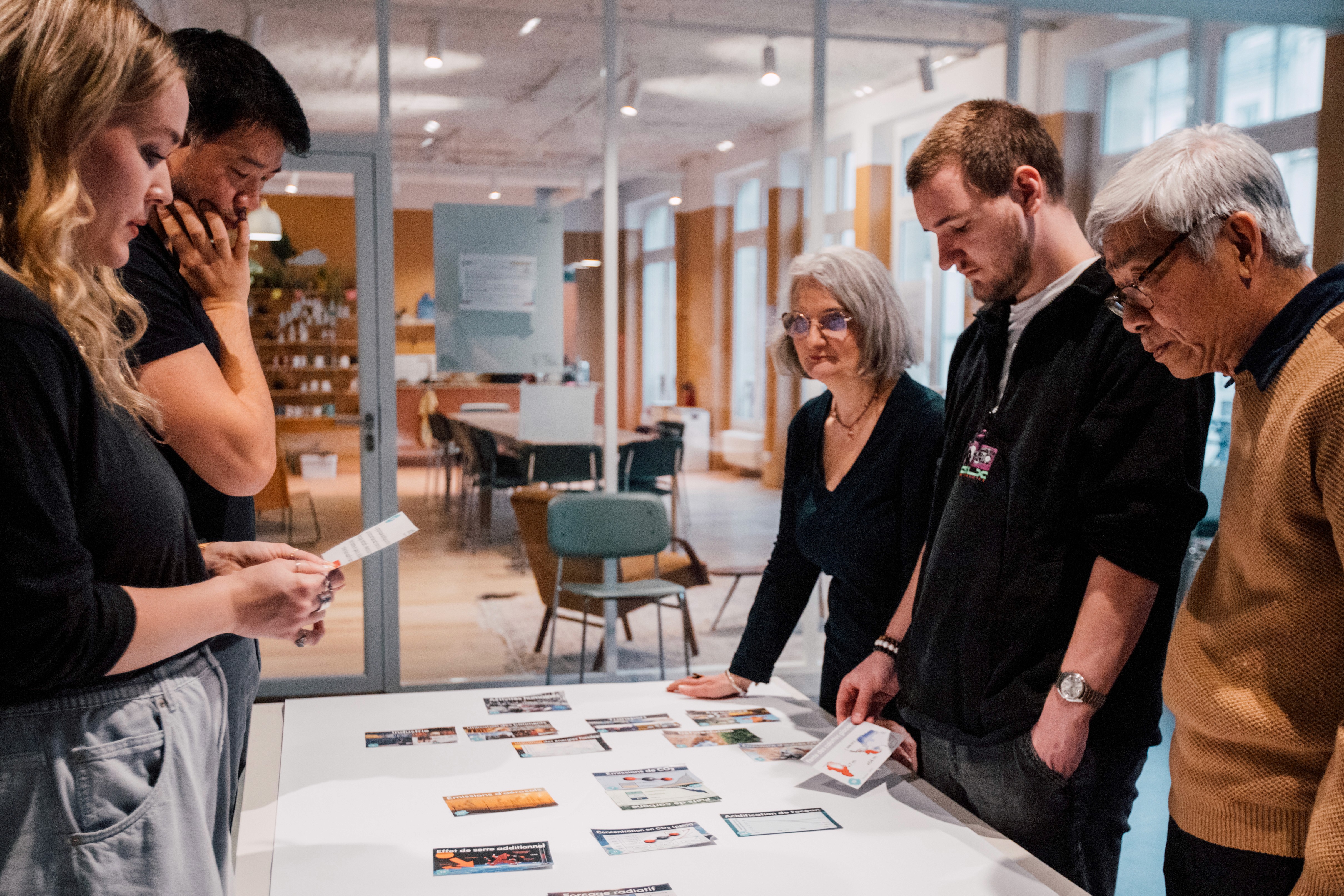
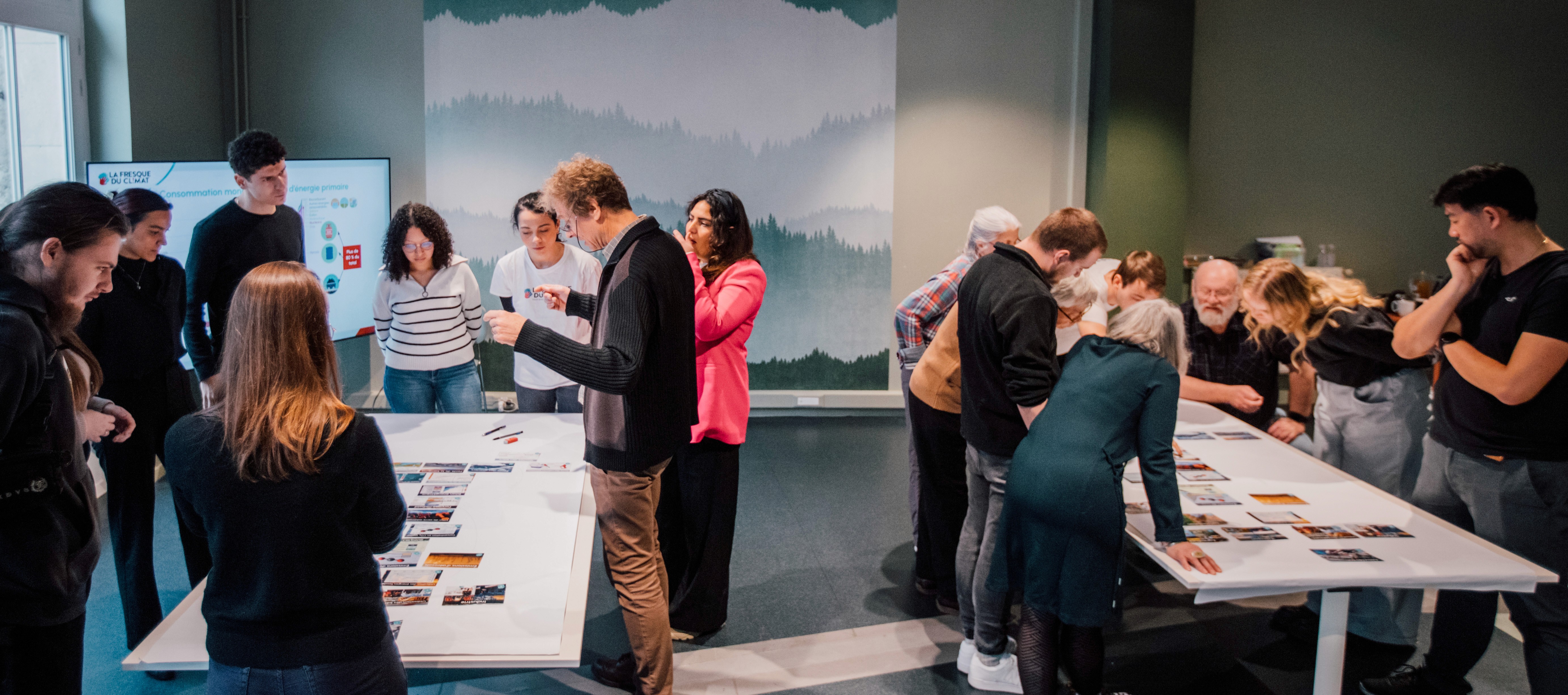
That’s exactly how Climate Fresk spread from France to dozens of countries. After attending the three-hour workshop, participants can become facilitators and organize sessions in their own communities.
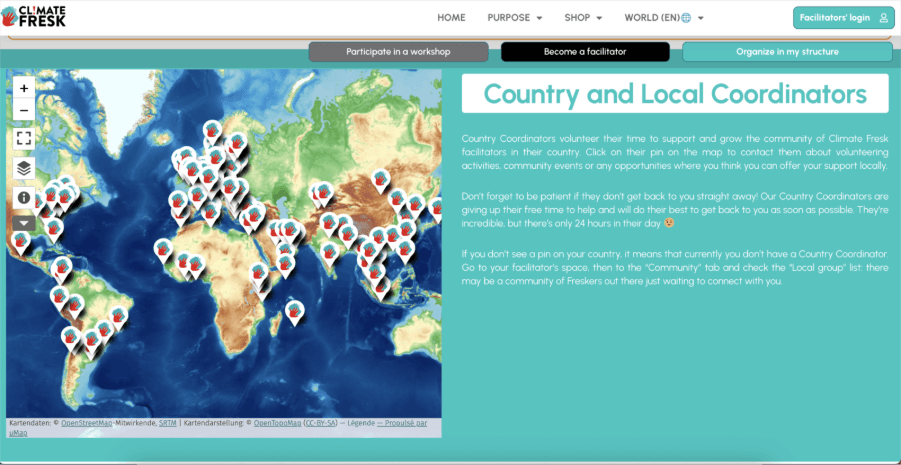
The workshop itself is simple but powerful: participants collaborate to connect causes and consequences of climate change by placing cards in the correct order.
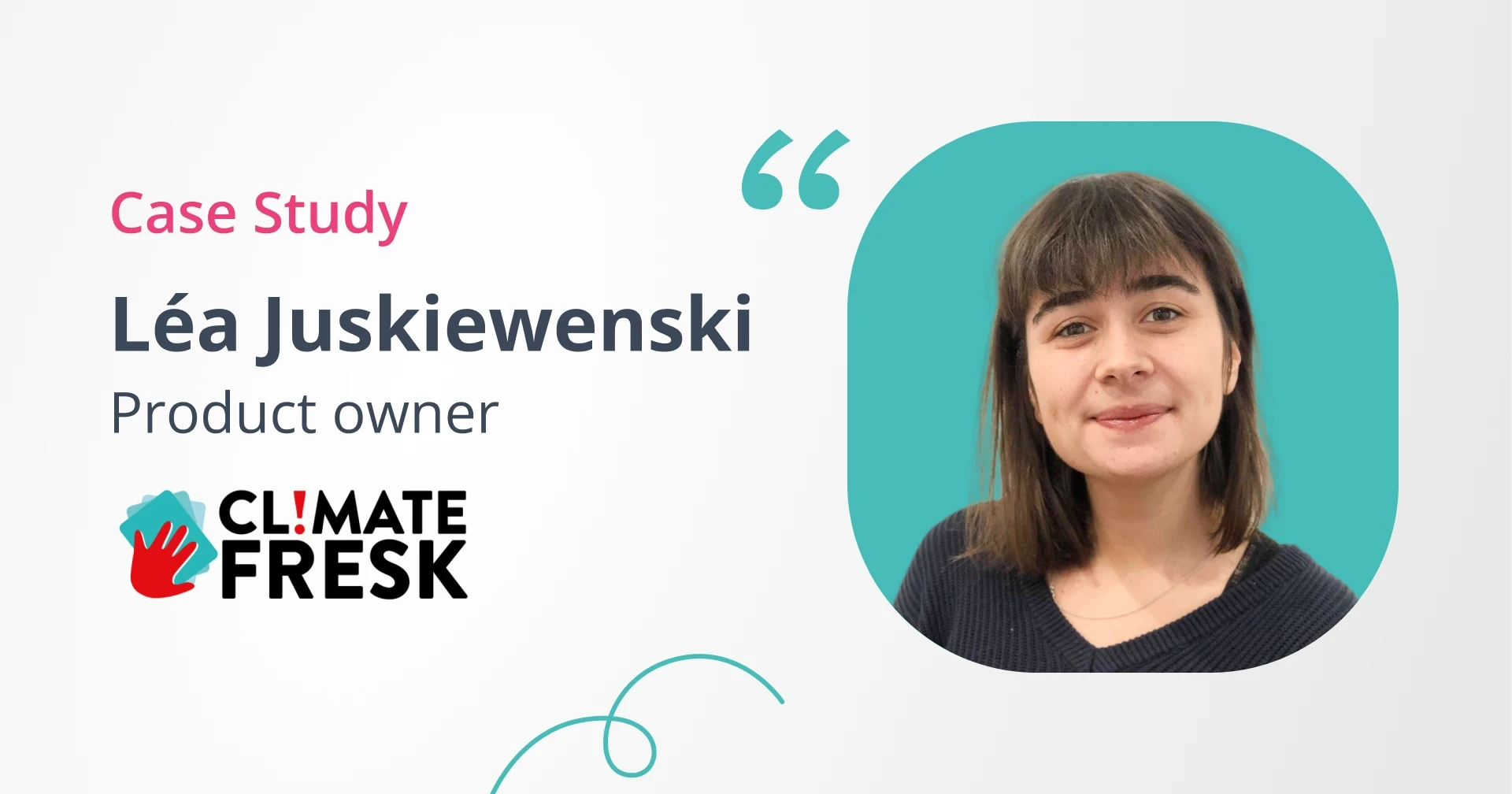
“It’s a workshop that plays into collective intelligence. The participants are playing together,” says Léa Juskiewenski, Project Management Officer at Climate Fresk.
Today the impact is massive:
2,3 million participants since launch.
Around 10,000 new participants every month.
Workshops organized across 168 countries.
But global reach created a new challenge: translations.
Why Community-Driven Localization Became Essential
At the beginning, localization did not start as a top-down strategy in Climate Fresk. It emerged from the community itself. French participants discovered the workshop and later moved or traveled abroad. They brought the cards and the workshop in their local context. Soon facilitators started asking for translated materials.
“It wasn’t really a plan to say: in three years we want these countries,” Léa says.
Sometimes the request was as simple as: “We want to have Climate Fresk here in Pakistan. And we need to translate.”
That’s how the project became multilingual. Today the cards are translated into more than 45 languages, mostly thanks to volunteer contributors. The translators are rarely professional translators. “They are the facilitators themselves,” Léa says.
The Challenge: Managing 45+ Languages with Excel
Before Tolgee, translations were handled using spreadsheets. “We used to work on Excel files,” Léa says.
That approach created several challenges:
Limited visibility into who contributed translations,
no practical status tracking,
difficult collaboration across volunteers,
and no structured translation workflow.
But the translation wasn’t the biggest challenge. It was layout. The team maintained translations in Excel but had to manually produce the final workshop materials.
“We had Excel files with translation, and then someone had to copy the text into a Google Slides template. That’s how we exported the PDFs,” Léa explains.
This manual process became unsustainable when the team needed to update more than 45 languages at once.
“When we had a major update of the cards, it was super hard to imagine that we were going to manually do all the copy and paste.”
The workflow needed automation.
How Climate Fresk Manages Volunteer Translations
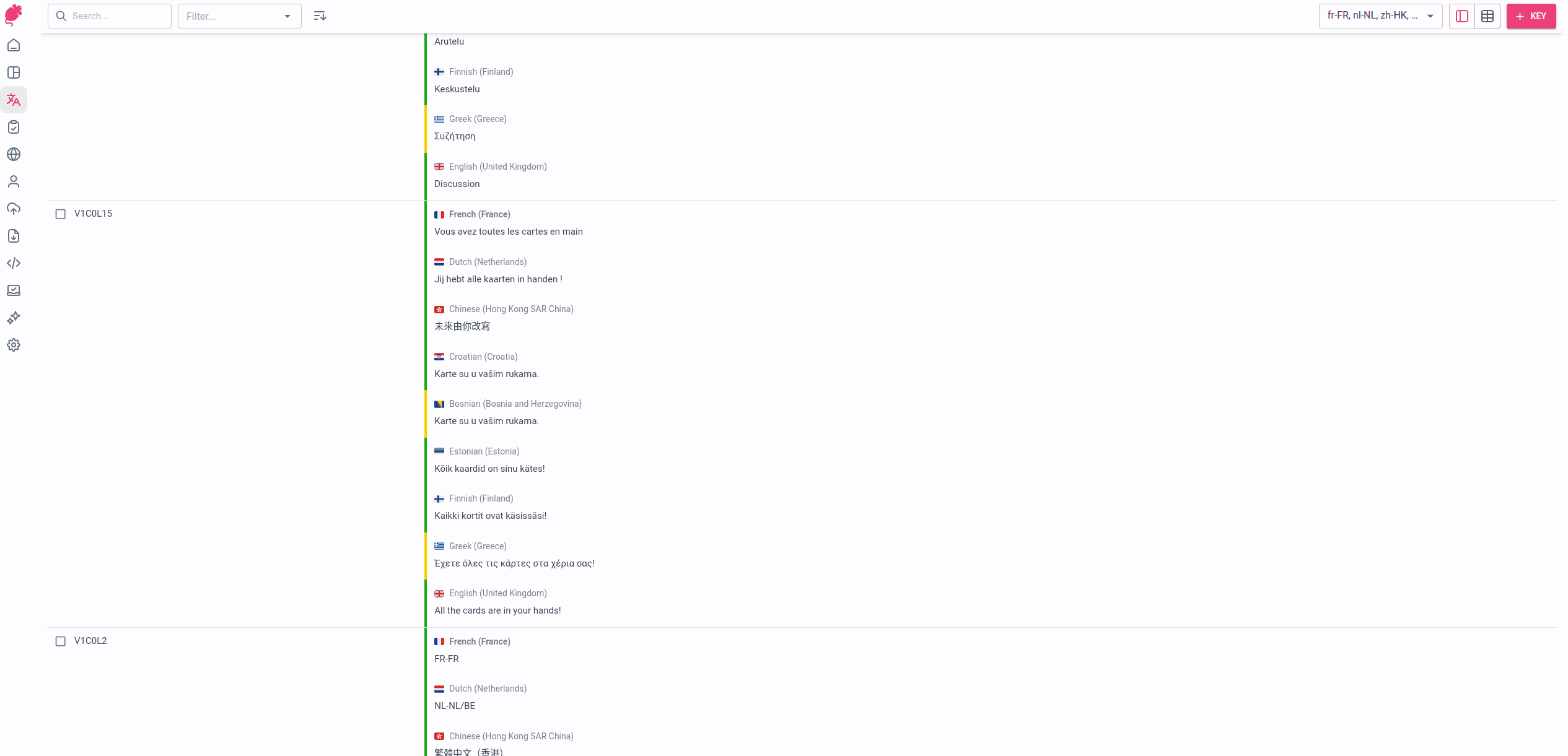
Climate Fresk uses a community-driven localization workflow where facilitators themselves translate workshop materials. Each translation typically involves one translator and one reviewer, and progress is tracked using Tolgee’s translation states system.
The association team does not enforce heavy review structures because local communities know their languages best. “I don’t speak Portuguese,” Léa explains. “So if the facilitators in Brazil translated, they are the ones using the cards. They know.”
“We encourage to have more than one person,” Léa says. “Generally we ask for one translator and one reviewer.”
To make the process easier for volunteers, new versions of materials are pre-translated using AI, allowing translators to start with proofreading instead of translating from scratch.
Building an API-First Localization Workflow
Instead of just adopting a translation tool, Climate Fresk built a technical localization pipeline. The team has been using Tolgee as the foundation of this system for more than two years.
“We created a small tool that automatically generates the PDF,” Léa explains.
This tool generates workshop cards directly from translation data and even handles formatting issues. For example, if the text is longer in German (which typically is), the font size will automatically decrease.
To make this system work, the organization needed translation data in a structured format. Tolgee was good for that because of the JSON with the keys option. There also was an integration, there was an API. This all allowed the team to build an API-first localization workflow connecting Tolgee with internal tools.
Automating Multilingual Content Generation
With Tolgee providing structured translation data, the team built a system that automatically generates workshop materials.
The localization architecture now looks like this:
Volunteer translators contribute translations in Tolgee.
Tolgee stores translation data in structured JSON format.
The internal tool retrieves translations via Tolgee’s API.
The system automatically generates localized PDF card decks.
The result is automated multilingual content generation. Instead of manually producing dozens of documents, the organization can now generate updated materials for all languages.
The Biggest Impact: Visibility
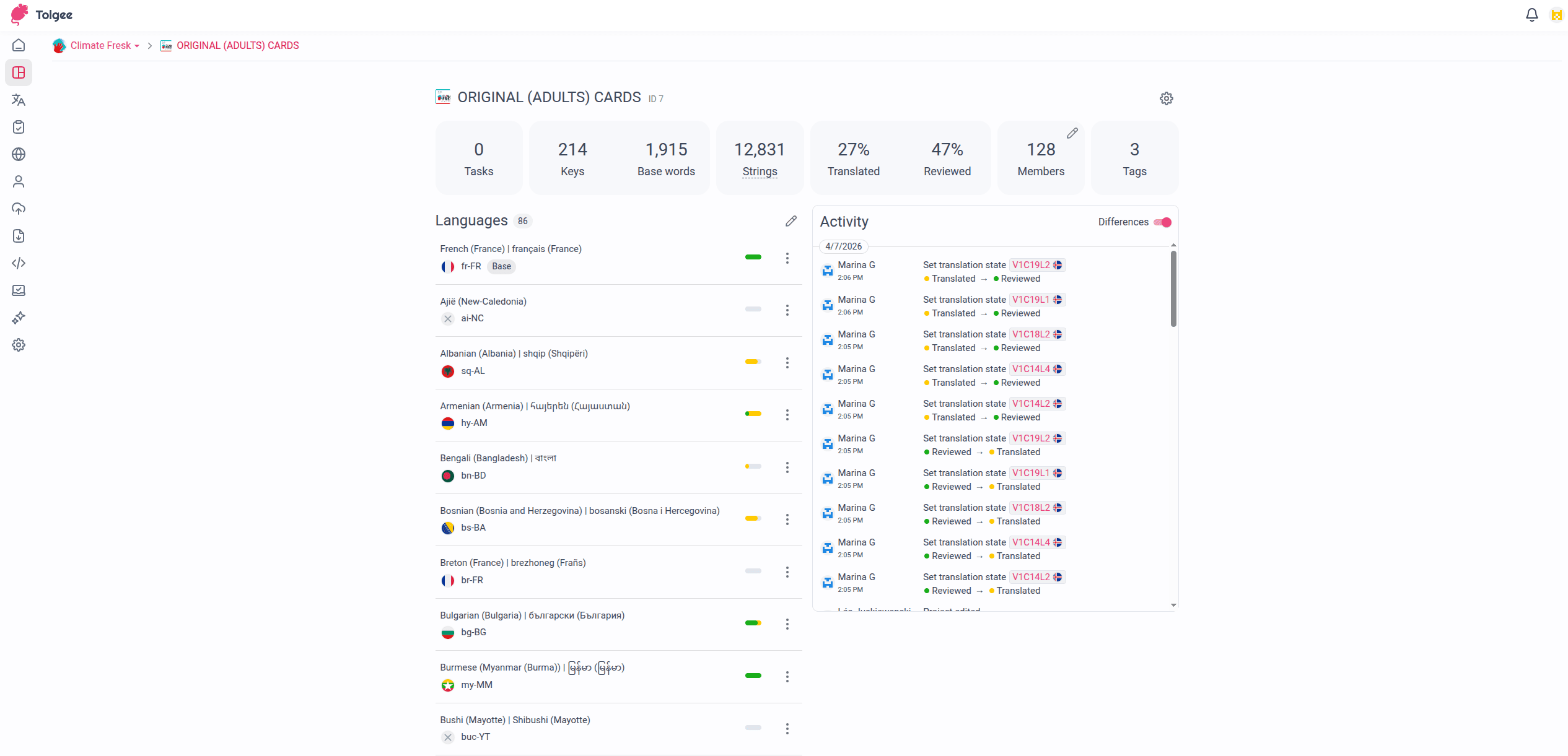
When coordinating hundreds of volunteers across dozens of languages, visibility matters as much as efficiency. That’s where Tolgee made the biggest difference. “The biggest impact is the way it makes the collaboration visible,” Léa says.
Before, translations were scattered across separate files. Now the team can see global collaboration happening in one place.
“It really centralizes everything for us. We can see that hundreds of translators are working on the same platform.”
Tolgee features like task assignments and granular permissions make it easier to coordinate large groups of contributors. Translators can also discuss specific strings directly in the interface, reviewers can mark translations as approved. This keeps the entire localization workflow transparent and manageable, even with dozens of contributors involved.
That visibility also strengthens the sense of community around the project.
“It really creates a feeling of community, of collaborative work.”
How to Build a Community-Driven Localization Workflow
Organizations that rely on volunteers often struggle with the same challenges Climate Fresk faced: scattered files, unclear ownership, and difficult updates across many languages.
Based on Climate Fresk's experience, a scalable community-driven localization workflow usually includes four elements:
Structured translation data
Translations need to live in a structured format rather than spreadsheets. Tolgee’s JSON-based localization files makes automation possible.A simple review process
Climate Fresk uses a lightweight model:1 translator
1 reviewer
This keeps quality high while keeping the process accessible for volunteers.
Centralized collaboration
Having all translations in one place helps coordinators track:which languages are active
who contributed
which translations need review
This visibility is especially important when hundreds of volunteers are involved.Automation for content production
Climate Fresk connected Tolgee to an internal tool that generates localized materials automatically. This eliminates manual work and allows updates to scale across dozens of languages.
What’s Next for Climate Fresk
Climate Fresk continues expanding its educational materials.
Currently the organization offers 4 versions:
Original Cards - adult version for audience interested in a scientific approach to the topics,
Essentials Cards for adults with little knowledge of climate change,
Junior Cards for children from 9 to 14,
and Accessible Cards for people with linguistic, mental or psychological disabilities are going to be released soon.
“We are trying to spread even wider,” Léa says.
The goal is to make climate education accessible to people who may not have prior knowledge of climate science. As the movement grows, the localization workflow will remain essential for enabling facilitators worldwide.
Want to experience Climate Fresk yourself?
Join an online workshop with participants from around the world, or attend a local session led by a facilitator using cards translated into your language. Find a workshop near you and see the experience in action.
Tolgee for Non-Profits
Here at Tolgee, we are proud to support Climate Fresk on their mission. And we will be happy to support other mission-driven organizations with special discounts for non-profits too. Are you one? Contact us at sales@tolgee.io to get in touch.
If you're running a mission-driven project or nonprofit that works across borders, language should never be a barrier to your impact.
Start localizing with Tolgee!
Key Facts
Organization: Climate Fresk (La Fresque du Climat)
Mission: Climate education through collaborative workshops
Participants: 2,3M+ since inception
Monthly participation: ~10,000 people
Languages: 45+
Translation model: Volunteer facilitators
Key technical feature: API-driven automated PDF generation